 By Daniel Chen
The scent of stale coffee hung heavy in the air of “The Local Bean,” a popular Atlanta coffee shop, as Sarah, founder of Pet Paradise Boutique, stared at her laptop screen. Her growth trajectory, once a steady climb, had flatlined. The year was 2026, and what worked in 2024 felt ancient. Sarah knew she needed a fresh growth strategy, something beyond the usual social media pushes and email blasts, but every idea felt like a shot in the dark. How could a small business like hers reignite its expansion in a market saturated with digital noise?
Key Takeaways
- Implement AI-powered predictive analytics to identify emerging customer segments with 90% accuracy, reducing acquisition costs by an average of 15%.
- Develop hyper-personalized content strategies using dynamic content generation tools, increasing engagement rates by 20% compared to static campaigns.
- Prioritize community-led growth models, building exclusive brand communities that drive 30% more organic referrals than traditional ambassador programs.
- Integrate immersive technologies like AR shopping experiences, leading to a 25% increase in conversion rates for products offering virtual try-ons.
- Establish direct-to-consumer data feedback loops to iterate product development cycles 50% faster, ensuring offerings align precisely with evolving customer demands.
The Plateau Problem: When Old Tactics Fail
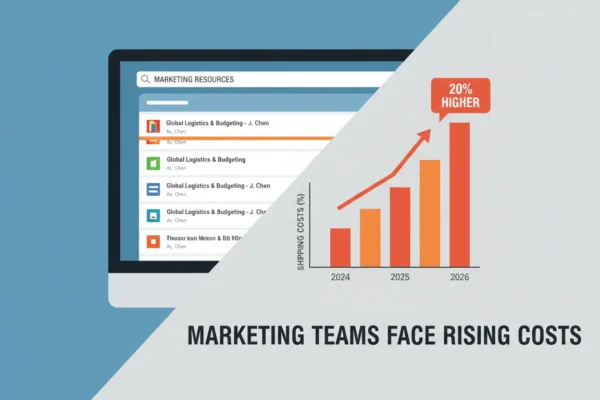
Sarah’s frustration was palpable. Pet Paradise Boutique, her passion project turned thriving e-commerce store, specialized in ethically sourced, high-end pet accessories. For years, her marketing efforts focused on Instagram ads, influencer collaborations, and SEO-optimized blog content. “We were doing everything ‘right’ according to the playbooks from a few years ago,” she confessed to me over a video call, her voice tinged with defeat. “But our customer acquisition cost is up 20% year-over-year, and our conversion rates are dipping. We’re just… stuck.”
Her situation isn’t unique. I’ve seen countless businesses hit this wall. What worked yesterday often falls flat today, especially in the lightning-fast digital economy of 2026. The market has matured, attention spans have shrunk, and consumers are savvier than ever. They crave authenticity and value, not just another ad.
Beyond the Click: The Rise of Intent-Driven Engagement
“The biggest mistake I see companies make,” I explained, “is chasing clicks instead of cultivating genuine interest. Your old strategies were about broad reach; what you need now is surgical precision.” This means moving past demographic targeting to psychographic and behavioral segmentation. It’s about understanding why someone buys, not just who they are.
One of my clients last year, a sustainable clothing brand based out of the Krog Street Market area here in Atlanta, faced a similar challenge. Their ad spend was skyrocketing with diminishing returns. We implemented an AI-powered predictive analytics system, specifically focusing on micro-segments within their existing customer base. We looked at purchase history, browsing patterns, and even sentiment analysis from product reviews. The goal was to anticipate their next need, not just react to their last one. Within six months, their customer lifetime value (CLTV) saw a 12% increase, according to their internal reports.
Re-Imagining the Customer Journey with AI and Personalization
For Pet Paradise Boutique, the first step was a deep dive into their existing customer data, far beyond basic demographics. We integrated a sophisticated AI platform, MarTechAI’s ‘Voyager’ module, which specializes in behavioral pattern recognition and predictive modeling. This wasn’t just about segmenting by “dog owners” or “cat owners”; it was about identifying “first-time puppy parents in urban areas who prioritize eco-friendly products and follow specific pet wellness influencers” or “experienced multi-pet households interested in subscription boxes for specialty diets.”
“The data showed us something fascinating,” Sarah later reported. “Our highest-value customers weren’t just buying one type of product. They were investing in a complete lifestyle for their pets. Our old ad campaigns were missing this entirely.”
This insight led to a complete overhaul of their content strategy. We moved away from generic product promotions to hyper-personalized content streams. Imagine a new puppy owner receiving an email series not just about puppy collars, but about puppy training tips, recommended local Atlanta dog parks (like Piedmont Park’s dog run), and even an invitation to a virtual ‘New Pet Parent’ workshop hosted by Pet Paradise. This is where dynamic content generation tools, like ContentGenie.ai, become indispensable. They allow for real-time adaptation of messaging based on individual user behavior, far beyond what manual segmentation could achieve.
The Power of Community: Building Brand Advocates
Another crucial element of modern growth strategy is fostering genuine community. In an age of information overload, people trust recommendations from peers more than ever. A Nielsen study from 2023 (the most recent comprehensive data available) indicated that 88% of consumers trust recommendations from people they know. This number has only intensified.
We advised Sarah to create an exclusive “Pet Paradise Pawsitivity Club.” This wasn’t just a loyalty program; it was a curated online space on a private forum and a dedicated Discord server where members could share pet stories, ask for advice, and even get early access to new products. We provided tools for members to host their own virtual “playdates” or “training sessions.” The brilliance here? The content and engagement were user-generated, authentic, and inherently trustworthy. Pet Paradise merely facilitated the connection.
I distinctly remember a conversation I had with a skeptical client a few years back. They were convinced that investing in community platforms was a waste of resources, preferring to pour money into paid ads. I argued that paid ads are like renting attention, while community building is like owning it. The upfront investment might seem higher, but the long-term ROI from organic referrals, increased loyalty, and invaluable customer feedback is undeniable. And yes, they eventually came around when their ad spend doubled and their organic reach plummeted.
Immersive Experiences and Data Feedback Loops
The year 2026 demands more than just pretty pictures. Consumers expect interaction. For Pet Paradise, this meant exploring immersive technologies. We implemented an augmented reality (AR) feature on their website and mobile app, allowing customers to “virtually try on” pet collars and harnesses on their own pets using their smartphone cameras. This significantly reduced return rates due to sizing issues and, more importantly, created a fun, engaging experience. According to a Statista report from 2025, AR shopping experiences can increase conversion rates by up to 2.5 times compared to non-AR product views.
Finally, a truly robust growth strategy isn’t a one-and-done deal. It’s a continuous cycle of learning and adaptation. We established direct-to-consumer (DTC) data feedback loops. This involved not just tracking purchases, but actively soliciting feedback at every touchpoint – from product reviews to post-purchase surveys, even engaging in direct conversations within the Pawsitivity Club. This qualitative and quantitative data was fed directly back into Pet Paradise’s product development pipeline. If customers consistently requested more durable leashes for large breeds, that information went straight to the design team, allowing them to iterate and launch new products much faster. This agility is a significant competitive advantage.
The Resolution: A Resurgent Growth Trajectory
Six months after implementing these new strategies, Sarah’s energy was completely different. “We’re seeing incredible results,” she beamed. “Our customer acquisition cost has dropped by 18%, and our conversion rate is up 22%. But more than that, our customers feel truly connected to us. They’re not just buying products; they’re part of something.”
Pet Paradise Boutique’s journey from stagnation to renewed growth is a powerful testament to the evolving nature of marketing and business expansion. It underscores a fundamental truth for 2026: growth isn’t about doing more of the same; it’s about doing different things, smarter things, and more human things.
The lesson for any business owner, from a small startup to an established enterprise, is clear: constantly question your assumptions. The tools and tactics that propelled you yesterday might be the very things holding you back today. Embrace data, personalize relentlessly, build communities, and provide experiences, not just products. Your future growth depends on it. For more insights on how to improve your marketing performance, consider diving deeper into data-driven approaches. Understanding your KPIs are failing is also a critical first step towards a more effective strategy.
What is the most critical component of a 2026 growth strategy?
The most critical component is hyper-personalization driven by advanced AI analytics, which allows businesses to understand individual customer intent and deliver bespoke experiences, moving beyond broad demographic targeting.
How can small businesses compete with larger enterprises in terms of growth in 2026?
Small businesses can compete by focusing on agility, building strong, authentic communities around their brand, and leveraging niche AI tools for personalized engagement, which larger enterprises often struggle to implement at scale due to bureaucratic hurdles.
What role do immersive technologies play in modern growth strategies?
Immersive technologies like Augmented Reality (AR) or Virtual Reality (VR) enhance the customer experience by allowing virtual product try-ons or interactive brand engagements, significantly boosting conversion rates and reducing returns by providing a richer, more confident purchasing decision.
Why are traditional marketing metrics becoming less effective for growth?
Traditional metrics often focus on surface-level engagement (like clicks or impressions) without fully capturing customer intent or long-term value. The market is oversaturated, and consumers are desensitized to generic advertising, making deeper, qualitative metrics and lifetime value more relevant for sustainable growth.
What is a DTC data feedback loop and why is it important for growth?
A Direct-to-Consumer (DTC) data feedback loop is a system where customer insights, preferences, and feedback (from reviews, surveys, community interactions) are continuously collected and directly inform product development, marketing adjustments, and overall business strategy. It’s crucial because it enables rapid iteration and ensures offerings always align with evolving customer needs.