By Angela Short
It’s 2026, and most of the talk around finding your ideal customer and doing market segmentation is just plain wrong. I see too many companies running on decade-old assumptions, making strategic plans without ever looking at the critical BI insights sitting right in front of them.
Key Takeaways
- Demographics alone won’t cut it. To actually get results, you need to know that psychographic and behavioral data are behind over 70% of today’s effective targeting.
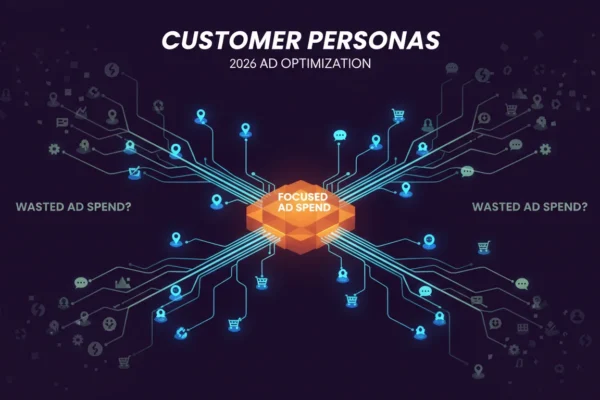
- Stop chasing one single “ideal customer.” The real wins come from defining several micro-segments, because each group has different needs and wants to be talked to in a different way.
- When you actually integrate real-time data from your CRM, web analytics, and social listening tools, you can cut customer acquisition costs by an average of 15% just by being more precise.
- Your BI insights are meant to be used. They should tell you exactly what campaign adjustments to make or what product features to build next, instead of just being a report on what already happened.
Myth 1: A Single, Static “Ideal Customer” Exists
The biggest, most damaging myth I still see everywhere in 2026 is this idea that you can create one single, static “ideal customer” and aim all your marketing at it. I’ve watched companies cling to some monolithic avatar built from broad demographics like age and income. That entire approach is a dead end.
The truth is a lot messier. A person’s behavior changes constantly, pushed around by the economy, new tech, and even the weather. A 2023 IAB report confirmed that while digital ad spend is still climbing, the ads that actually work are personalized, which is impossible with a single customer profile. Think about it: a 35-year-old professional living in Midtown Atlanta could be your perfect customer for a luxury car on Tuesday and a budget meal kit on Wednesday. It all depends on their immediate need or even just their mood.
To do marketing well in 2026, you have to identify multiple customer micro-segments. And these aren’t just smaller slices of some big “ideal customer” pie. They’re totally distinct groups with their own behavioral patterns and purchase triggers. Your marketing team should be able to clearly explain the specific problems and goals for at least three to five of these primary segments, because an eMarketer analysis showed that companies who segmented their audience into five or more groups saw conversion rates that were 12% higher on average. This is about precision.
Myth 2: Demographics Are the Primary Drivers of Purchase Decisions
Demographics give you a starting point, sure, but the belief that someone’s age, gender, or income is the main reason they buy something is an old way of thinking that leads to generic ads that don’t land with anyone.
What someone does and what they believe in predicts their buying habits far better than simple demographics. Let’s take two people: both are 40-year-old women making $100,000 a year in Atlanta’s Buckhead neighborhood. One’s a marathon runner obsessed with organic food and sustainable brands. The other is a dedicated gamer who spends her money on high-end tech and values convenience above all else. If you send them the same marketing message based only on their shared demographics, you’re just burning money. Their purchases are guided by their interests and lifestyles, not their tax bracket.
This is exactly why modern ad platforms like Google Ads and Meta Business Suite have evolved their targeting. They let you go way beyond demographics to find custom intent audiences, people in the market for specific things, and detailed interest categories. In fact, a HubSpot report from late 2024 found that marketers focusing on behavioral segmentation saw an 18% higher ROI on their ad spend. The message is clear: know what people do and care about, not just who they look like on paper.
Myth 3: BI Insights Are Just for Reporting Past Performance
A lot of businesses treat Business Intelligence (BI) like a history book. They use it only to look at what already happened, generating complex reports on last quarter’s sales or website traffic and then… nothing. They file them away. This completely misses the point of what BI can do.
In 2026, your BI has to be a forward-looking tool that actively shapes what you’re doing right now. It’s for predicting what’s next and making changes on the fly. For example, if your BI dashboard shows a sudden engagement drop on a product page from one of your key micro-segments, the takeaway isn’t just “engagement dropped.” A useful insight is, “we need to immediately A/B test new headlines on that page for that specific segment and see what happens in the next 48 hours.”
The real magic happens when you connect BI tools to your marketing automation. When you have a system like Tableau or Microsoft Power BI hooked up to your CRM and analytics, you can trigger actions automatically. What if a BI alert flags a group of high-value customers who look like they’re about to churn? Instead of getting a report about it next month, the system could instantly kick off a personalized re-engagement email campaign with a specific offer. Using data this way actively cuts down on customer attrition, which goes straight to your bottom line.
“One recent analysis found that primary-research pages earned 3.3 times more AI citations per page than other content. (See how I just referenced Kevin Indig’s research?)”
Myth 4: More Data Automatically Means Better Insights
The “big data” craze created a huge misconception: that just collecting more and more information will somehow magically produce brilliant insights. That’s completely wrong. Without a solid plan for what you’re collecting and how you’ll analyze it, a mountain of data just creates paralysis.
I’ve seen so many marketing teams drowning in dashboards, staring at every metric from click-through rates to time on page, but they still can’t answer basic questions about their customers. They can’t connect the dots into a story. The issue isn’t a shortage of data. It’s a lack of focused questions and the ability to analyze the answers.
The quality and relevance of your data are so much more important than the sheer volume. Before you even think about collecting data, you have to define the exact questions you need to answer about your ideal customer. Are you trying to figure out cart abandonment? Or are you trying to find the best channel to acquire 25-34 year olds for a new product? Once the question is clear, you can tailor your data collection, maybe by focusing on specific behavioral events in Google Analytics 4 or running a survey that gets into psychographics. A Nielsen report on consumer behavior found that companies who were targeted in their data collection made decisions 20% faster than those who just hoarded everything. It’s about having the right data.
Myth 5: Customer Feedback Is Enough for Ideal Customer Definition
Just using direct customer feedback from surveys or focus groups to define your ideal customer is a huge mistake. That feedback is valuable, of course, but it gives you an incomplete and often biased view of what’s really going on.
People don’t always say what they mean or know why they do what they do. What customers claim they want can be very different from what their purchase history shows. On top of that, feedback channels mostly capture the voices of your current, happy customers, which means you’re ignoring the huge part of the market that hasn’t bought from you yet or has already left. If you only talk to your fans, you’re getting a fan’s perspective, not a market perspective. That’s a critical difference when you’re trying to grow.
To really get who your ideal customer is, you have to cross-reference what people say with what they actually do. This means you have to compare survey answers against actual purchase data, website click paths, and how they engage on different channels. A classic example is when customers say in a survey that they desperately want a new feature, but then your web analytics show almost nobody uses it after you build it. That gap is where the real insight is. Putting qualitative feedback together with hard quantitative data gives you a much more accurate map of customer needs, which lets you create smarter market segmentation and spend your marketing budget wisely.
For your marketing to succeed in 2026 and beyond, you have to drop these old myths and get serious about a data-driven way of understanding your customers. That means focusing on usable BI insights, targeting multiple segments, and looking at the whole picture of customer behavior to actually grow your business.
So what is behavioral segmentation?
It’s grouping customers by what they do: their purchase history, website activity, how they use a product, or brand interactions. This method tells you way more about their intent and preferences than just knowing their age or where they live.
How often should we update customer profiles?
You should be reviewing your customer profiles and market segments at least every quarter. You also need to revisit them anytime there’s a big market shift, a new product launch, or a competitor makes a move. Keeping an eye on your BI insights lets you make these adjustments quickly.
What’s AI’s role in this by 2026?
By 2026, AI is essential for finding your best customer segments. It can process huge amounts of data to find patterns in behavior that a person would never see, predict what customers will do next, and then help personalize your marketing messages at a massive scale.
Can a small business actually do this?
Yes, absolutely. You might not have the mountains of data a giant corporation does, but there are plenty of affordable tools out there with great analytics. If a small business focuses on the right metrics and uses an integrated CRM, it can get a huge leg up with targeted marketing.
What are psychographics and why do they matter?
Psychographics are about grouping people based on their internal traits, their values, attitudes, interests, and general lifestyle. They matter because they explain the why behind a purchase, giving you the context for the behavioral data you’re seeing.